Freshwater Contamination Embroidery Review
First Impressions: A Visual Statement on Environmental Awareness
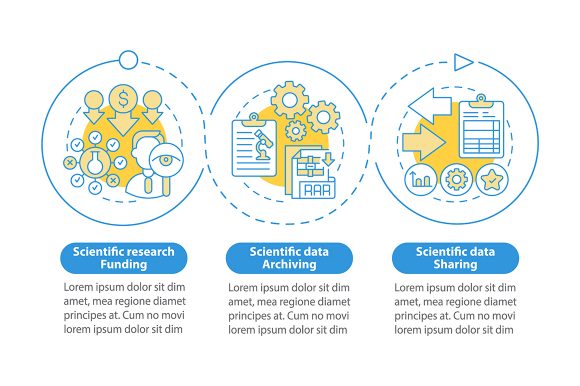
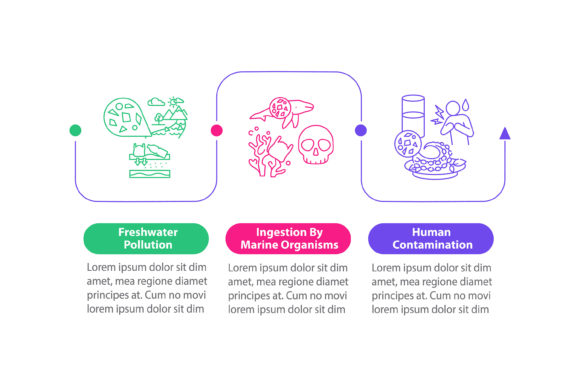
When I first opened the Freshwater Contamination vector infographic template, it immediately struck me as a design that communicates urgency and clarity. The layout is clean, with a strong visual hierarchy that guides the eye through three distinct steps of data visualization. It feels modern and educational, which makes it perfect for projects that aim to raise awareness or present information in an accessible way.
The use of linear icons and a process timeline chart gives the design a structured feel, while the microplastics effects presentation elements add a subtle layer of detail that doesn’t overwhelm the viewer. This balance between simplicity and informative content makes it ideal for machine embroidery designs that need to be both visually engaging and easy to understand at a glance.
Real-Life Use Case: Custom Embroidered Tote Bag
Imagine preparing a custom embroidered tote bag for a local eco-conscious boutique. Freshwater Contamination would make a powerful statement on the front panel, drawing attention with its clear message and professional look. The design’s bold lines and minimal text ensure that even from a distance, the message is legible and impactful.
I can see this design working well on a larger hoop size, where the details of the infographic can be fully appreciated. On a tote bag, it would stand out against a plain fabric background, especially if paired with high-contrast thread colors like navy blue or white. The stitching would flow smoothly without feeling cluttered, making it a great choice for custom apparel or handmade product branding.
However, I would test it on scrap fabric first to confirm how the satin stitch and fill stitch areas handle different textures. If the fabric is too thin or stretchy, the design might lose some of its sharpness. In such cases, using a proper stabilizer becomes essential to maintain the integrity of the stitched image.
Where This Design Shines Best
Freshwater Contamination is versatile enough to work across various embroidery projects. Here are some scenarios where it would perform exceptionally well:
- Custom Apparel: Sweatshirts, t-shirts, and caps with a focus on environmental themes.
- Handmade Products: Pillow covers, aprons, and kitchen towels that highlight sustainability efforts.
- Gift Items: Personalized gifts like baby clothes, holiday ornaments, or wedding favors with a meaningful message.
- Commercial Embroidery: Boutique branding, small shop products, or Etsy seller listings that require a professional yet approachable look.
The design’s clean aesthetic also works well in printable mockups or digital embroidery files, allowing you to preview how it would look on different items before committing to a full stitch.
Areas to Approach with Caution
While Freshwater Contamination is a strong design, there are a few situations where it may not perform as well:
- Small Hoop Sizes: The intricate details of the infographic could get lost when scaled down, making it unsuitable for small patches or embroidered patches.
- Dark Fabrics: Without sufficient contrast, the design might not pop as intended. Testing with thread colors like white or light gray could help enhance visibility.
- Curved Surfaces: Caps or hats with curved panels might distort the linear elements of the design unless adjusted carefully during digitization.
- Dense Stitch Areas: If used on thin or stretchy fabrics, the design may require additional stabilizer to prevent puckering or distortion.
It’s important to review the stitch density and running stitch patterns before finalizing your project. Adjusting these settings can significantly impact the overall look and durability of the finished product.
Design Notes for Embroidery Professionals
As an experienced designer, here are my top recommendations for working with Freshwater Contamination:
- Test on Scrap Fabric: Always check how the design translates into stitches before applying it to your final product.
- Check Thread Contrast: Ensure the chosen thread colors provide good visibility against the fabric texture.
- Review Stitch Density: Dense areas may need adjustments for certain fabric types to avoid stiffness or damage.
- Confirm Hoop Size: Make sure the design fits within the available hoop size without stretching or distorting.
- Inspect Small Details: Pay close attention to tiny lettering or icon details that may not show up clearly after stitching.
- Use Black and White Mockups: This helps assess how the design will appear on different color backgrounds.
- Check Licensing: Before selling any finished items or digital products, confirm whether the embroidery file is licensed for commercial use.
Freshwater Contamination is a solid choice for anyone looking to create personalized gifts or craft business items that convey a message of environmental responsibility. Its clean, informative style suits a wide range of embroidery projects, from holiday embroidery to boutique branding.
If you’re considering using this design for your next project, take the time to evaluate it in real-world conditions. With the right preparation and adjustments, Freshwater Contamination can become a standout feature of your finished product—one that speaks volumes about your brand and values.