Embroidery Review: Components of Scientific Research
A First Look at the Design
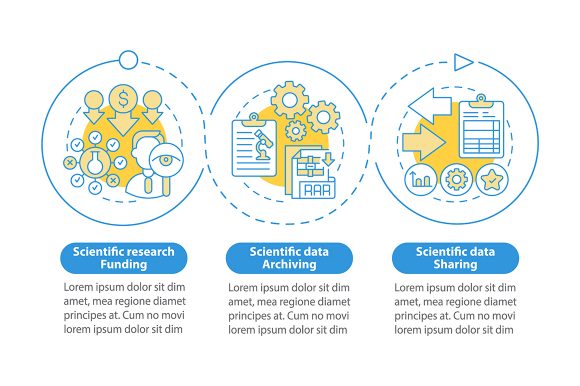
Opening the Components of Scientific Research vector infographic, I immediately notice a clean, structured layout that feels both professional and approachable. The design uses a minimalist color palette with soft gradients and linear icons to represent the three-step process of scientific research. This gives it a modern, educational vibe that’s perfect for infographics but also adaptable to embroidery.
The mood is calm and logical, which makes me think of how this could translate into embroidered patches or custom apparel. The shape of the design is rectangular, with a central timeline chart that draws the eye toward the middle. It feels like a natural fit for tote bags, aprons, or even nursery decor where clarity and simplicity are key.
Real-Life Embroidery Scenario: A Custom Tote Bag
Imagine preparing a custom embroidered tote bag for a boutique science-themed shop. I’d want something that communicates professionalism but also has a friendly, approachable feel. Components of Scientific Research fits the bill perfectly here. Its data visualization elements and workflow layout would make an excellent visual statement on fabric without overwhelming the viewer.
When I envision stitching this design onto a tote bag, I see it working well with medium to large hoop sizes. The linear icons and timeline chart would stitch clearly, especially with satin stitches for the outlines and fill stitches for the background areas. However, I’d be cautious about using it on stretchy fabrics or curved surfaces like caps, where the design might distort slightly.
For a tote bag, I’d recommend using a light-colored fabric like khaki or beige to ensure the thread colors stand out. Testing the design on scrap fabric first would help confirm the stitch density and thread contrast before committing to a full project.
Where This Design Shines in Embroidery Projects
Components of Scientific Research is ideal for a range of embroidery projects. Here are a few examples:
- Custom Apparel: Sweatshirts, t-shirts, or hoodies with this design can appeal to students, educators, and hobbyists interested in science.
- Personalized Gifts: Embroidered patches or pillow covers featuring this infographic could make great holiday gifts or wedding favors for couples in STEM fields.
- Small Shop Merchandise: Etsy sellers or craft fair vendors can use this design for handmade products like aprons, tea towels, or baby clothes.
- Boutique Branding: Incorporating this design into branded merchandise helps maintain a consistent, professional look across all product lines.
The design's clear structure and minimalistic style work well for commercial embroidery, as it doesn’t require excessive detail that might complicate the stitching process. It also adds value to handmade products by communicating a sense of quality and purpose.
Design Considerations for Embroidery Use
While Components of Scientific Research looks great on paper, there are a few things to keep in mind when using it in real embroidery situations:
- Hoop Size: Since the design is relatively large, it may require a larger hoop size. Make sure your machine can accommodate it before starting.
- Fabric Texture: Avoid using this design on very textured or thin fabrics, as the stitch density might not show up properly.
- Thread Colors: Always test the thread colors on scrap fabric to ensure they match the intended effect and provide enough contrast.
- Stabilizer: Using the right stabilizer is crucial, especially for dark or stretchy fabrics, to prevent puckering or distortion.
- Mockups: Test the design in black and white mockups to check how it looks on different fabric backgrounds before finalizing the project.
It’s also important to confirm the licensing terms if you plan to sell finished items or digital versions of this design. Always check the file format compatibility with your embroidery machine before starting any project.
Final Thoughts and Practical Notes
Components of Scientific Research is a versatile design that can elevate a wide variety of embroidery projects. Whether you're creating custom apparel, personalized gifts, or small shop merchandise, this infographic brings a unique blend of clarity and creativity to your work.
If you’re an embroidery designer, Etsy seller, or craft business owner, consider testing this design on a few different fabrics and hoop sizes before using it in your final products. It’s always better to be safe than sorry when it comes to stitch density, thread visibility, and fabric compatibility.
Overall, Components of Scientific Research feels like a valuable addition to any designer’s collection. It’s practical, visually appealing, and ready to bring a touch of professionalism to your next embroidery project.