Diagnostic Tests Vector Infographic Review
As an embroidery designer who's stitched everything from baby onesies to custom tote bags, I've learned that not every digital design translates well to fabric. The Diagnostic Tests Vector Infographic caught my eye with its clean lines and structured layout, but I wanted to see how it would hold up in real stitching scenarios.
A First Look at the Design
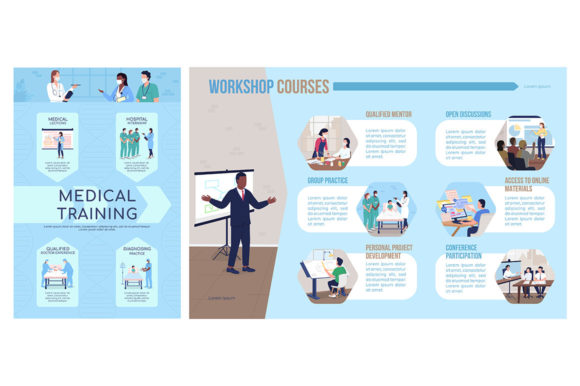
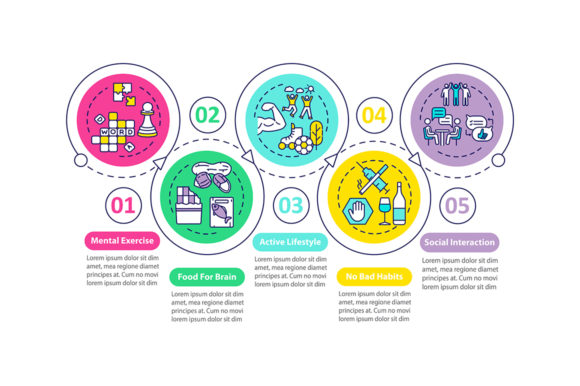
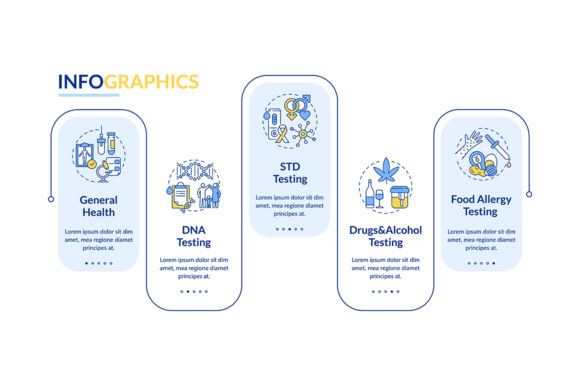
The Diagnostic Tests Vector Infographic brings a modern, clinical feel to your embroidery projects. It uses a 5-step process timeline with linear icons and data visualization elements that are both informative and visually engaging. The mood is professional yet approachable, making it a great fit for educational or health-related products.
What stands out is the balance between detail and clarity. The design doesn't overwhelm the viewer with too much information, which is a big plus when translating to fabric. The use of geometric shapes and consistent icon styles gives it a cohesive visual personality that’s easy to recognize.
How It Works in Real Embroidery Projects
If I were designing a custom embroidered sweatshirt for a wellness clinic or a personalized gift for a DNA testing enthusiast, this infographic would be a solid choice. Its structure makes it ideal for tote bag designs, sweatshirt embroidery, or even embroidered patches that need to convey a clear message at a glance.
The Diagnostic Tests Vector Infographic works well on larger surfaces like pillow covers or kitchen towels, where the details can breathe. However, if you're planning to stitch it onto something small like a cap or patch, you'll need to adjust the scale carefully to maintain legibility.
For custom apparel or handmade products, the design’s clarity helps reinforce brand consistency. It's especially useful for craft businesses looking to offer digital embroidery files that are both informative and aesthetically pleasing.
Where to Use It with Caution
While the Diagnostic Tests Vector Infographic is versatile, there are some limitations. If you're working with small hoop sizes, you may need to simplify the design or focus on key sections. Textured fabrics or thin materials could affect the sharpness of the stitches, so always test it on scrap fabric first.
When using it on dark fabric backgrounds, consider thread color contrast to ensure visibility. For curved surfaces like caps or layered garments, the design might lose some of its impact unless adjusted for curvature and fabric tension.
Dense stitch areas or intricate corners could require additional stabilizer to prevent puckering. This is especially important if you're aiming for a professional finish or selling the final product through platforms like Etsy or at craft fairs.
Design Notes for Embroidery Success
Before committing to a project, I recommend checking the stitch density and reviewing the embroidery file for any potential issues. Testing the design in black and white mockups can help you understand how it will look on different fabric colors.
Also, make sure to check the hoop size requirements and confirm whether the design is suitable for both personal use and commercial embroidery. Always review the licensing terms before selling finished items or digital assets based on this template.
For Etsy sellers or small shop owners, this infographic can be a valuable addition to your design assets, especially for holiday gifts or nursery decor that needs a touch of education and style.
Final Thoughts on Visual Appeal and Practicality
The Diagnostic Tests Vector Infographic adds a layer of professionalism to any embroidery project it's used in. Whether it's a personalized gift or a commercial embroidery piece, it elevates the overall presentation and reinforces customer trust.
Its visual appeal is strong, and the clarity of the design ensures that the message stays intact after stitching. It's a great option for handmade products that aim to blend creativity with informative content.
If you're looking for a machine embroidery design that feels both modern and functional, the Diagnostic Tests Vector Infographic is worth considering. Just remember to test it thoroughly and tailor it to your specific project needs for the best results.