Microplastics Effects Vector Infographic
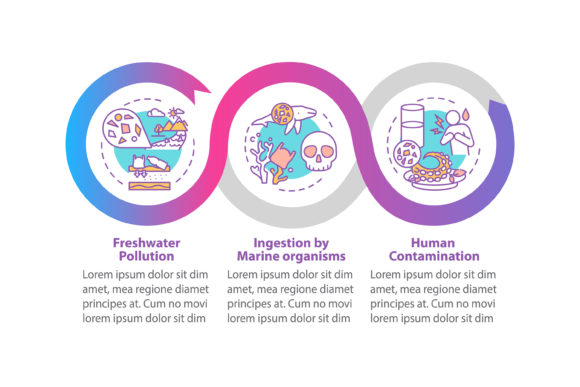
As a brand designer and content marketer, I recently came across the Microplastics Effects Vector Infographic, a design asset that immediately caught my attention with its clean layout and visual storytelling. This infographic template is tailored for Freshwater pollution presentation design elements and includes a Data visualization with 3 steps, making it ideal for educational and informative marketing campaigns.
First Impressions: A Visual Story of Environmental Impact
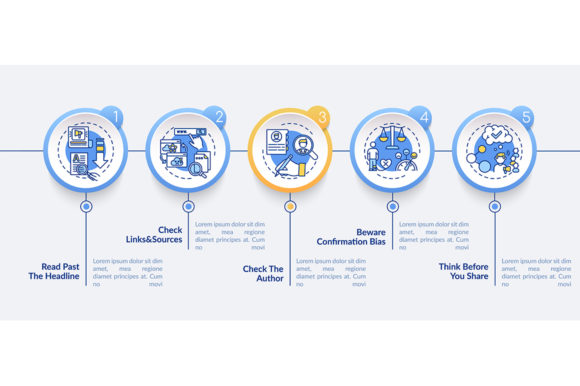
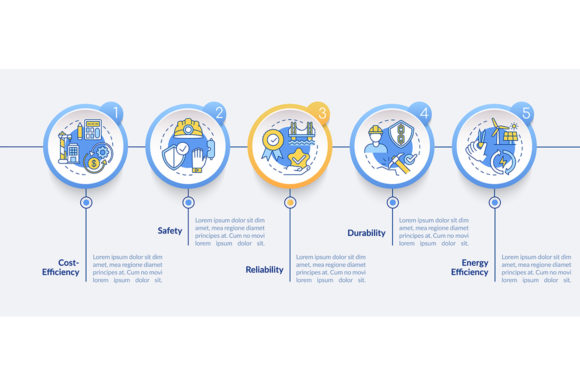
The first thing that struck me about this Microplastics Effects Vector Infographic was its ability to convey complex information in a visually engaging way. The use of a Process timeline chart and Workflow layout with linear icons gives the design a clear structure that guides the viewer through the stages of microplastics impact on freshwater sources. It creates a sense of urgency and awareness, which makes it suitable for campaigns targeting environmentally conscious audiences.
This infographic brings a serious tone to the table, perfect for brands working on sustainability initiatives or educational content around environmental issues. It’s not overly flashy, but it has enough visual interest to hold attention without overwhelming the viewer.
Real Marketing Use: From Brand Identity to Digital Campaigns
Imagine launching a new eco-friendly product line or promoting a seasonal campaign focused on reducing plastic waste. The Microplastics Effects Vector Infographic could be used as a hero graphic in your landing page header or as part of a branded template for your social media posts. Its clean design ensures that your message remains clear and professional, while still being visually compelling.
This infographic can also support your brand identity by reinforcing your commitment to sustainability. Whether you're designing product labels, packaging design, or social media graphics, this asset adds an element of trust and credibility. It works well in blog graphics, email banners, and even digital ads where visual hierarchy is key to capturing attention quickly.
Where This Design Asset Shines
The Microplastics Effects Vector Infographic performs best in situations where clarity and simplicity are essential. It’s a great fit for campaign headers, product launch visuals, and branded templates. When paired with the right color palette and typography, it can enhance your editorial design and add depth to your content marketing efforts.
For small business branding, this infographic can serve as a decorative brand element that supports your mission statement or values. It’s especially useful for creating promotional banners, event flyers, and Canva templates that align with your brand's visual identity.
Design Considerations and Practical Notes
Before using the Microplastics Effects Vector Infographic in a real campaign, there are several practical considerations to keep in mind. First, test it with your brand’s color palette to ensure it complements your existing visuals. Also, check how it looks in black and white to confirm that the visual hierarchy holds up without color.
Preview the design on mobile screens, as the layout may need adjustments for smaller formats. Test readability in small sizes, especially if you plan to use it as a thumbnail or social media cover. Compare it against competitor visuals to ensure it stands out in your niche. Finally, always review the commercial licensing terms before using it in paid campaigns or client work.
Typography Pairings and Visual Balance
The Microplastics Effects Vector Infographic pairs well with a variety of font styles. For a more modern look, try pairing it with a sans serif font like Helvetica or Arial. If you want to add a touch of elegance, a serif font like Georgia or Times New Roman can work well. For a more creative feel, consider using a script font or handwritten font to match the infographic’s tone.
Ensure that the spacing and balance of the design are consistent with your overall brand style. Avoid cluttering the infographic with too much text, as it may compete with the visual elements.
Limitations and Careful Usage
While the Microplastics Effects Vector Infographic is a strong asset for many applications, it may not be the best choice for formal corporate branding or dense information layouts. It should be used carefully in designs with small mobile graphics or low-contrast backgrounds, where the details might get lost.
It’s also important to avoid using this infographic in overly minimal brands or text-heavy ads where it could become a distraction. Instead, let it support the main message rather than overshadow it.
A Strong Design Asset for Content Creators and Small Business Promotion
In conclusion, the Microplastics Effects Vector Infographic is a versatile and impactful graphic design asset that can elevate your marketing materials. It supports a wide range of uses from social media graphics to web design, and its clean, structured approach makes it ideal for content marketing and professional branding.
Whether you’re a content creator, a small business owner, or a digital marketer, this infographic can help you create more engaging, memorable, and visually consistent campaign visuals. Just remember to test it thoroughly and pair it with the right typography and color schemes to maximize its effectiveness in your brand communication strategy.