Cost Reduction Strategies Infographic Review
A First Glance at the Design
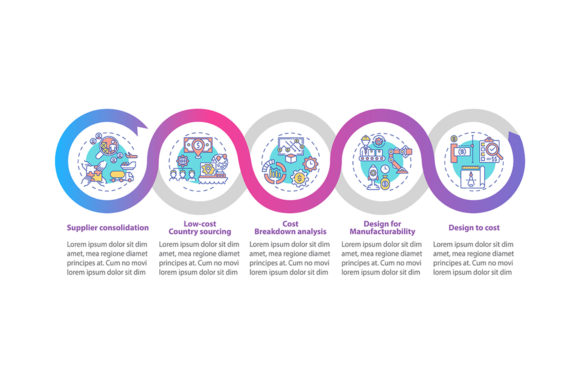
Opening the Cost Reduction Strategies Infographic, I was immediately struck by its clean, structured layout. The design feels professional yet approachable, with a visual rhythm that makes it easy to follow. It’s the kind of infographic that screams “business” but still has a subtle warmth that could work well in more creative contexts.
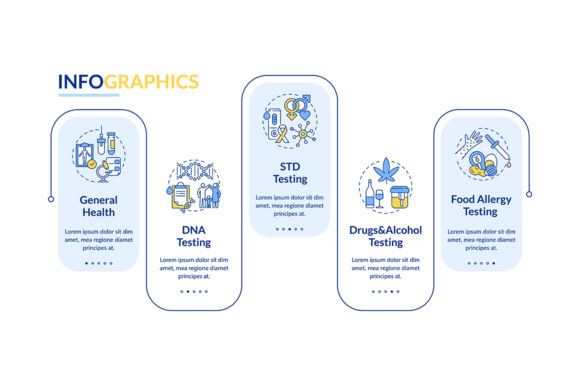
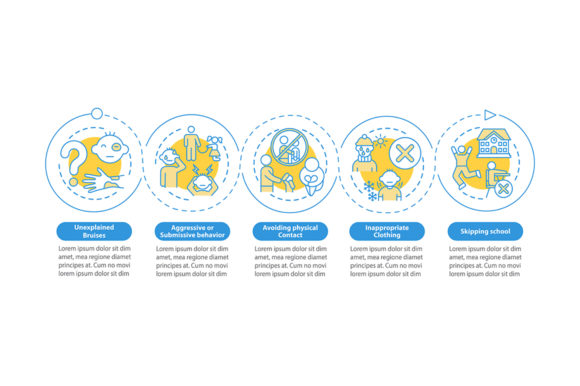
The five-step process is clearly laid out using a timeline format, which gives it a logical flow. Linear icons help break up the information without overwhelming the viewer. The color palette is muted but intentional—perfect for embedding into a variety of projects without clashing.
How It Stands Up to Embroidery Realities
If I were to use this design for an embroidered tote bag or sweatshirt, I’d be thinking about how the lines and shapes translate into stitch patterns. The vector elements are crisp, which is great for machine embroidery. However, the detail level might require some adjustment depending on the fabric and hoop size used.
This infographic would fit well on custom apparel like t-shirts, tote bags, and even baby clothes. The process chart could be a great addition to a personalized gift, especially if you're targeting small business owners or entrepreneurs looking for practical design inspiration.
For a project like a holiday embroidery piece or a nursery decor item, the infographic's clarity and minimalism could add value without being too busy. On the flip side, if you're working on something like a patch or sweatshirt embroidery, you’ll need to make sure the design doesn’t get lost in the texture of the fabric.
Where to Use It Carefully
While the Cost Reduction Strategies Infographic is versatile, there are a few areas where it might not shine as brightly. For example, if you’re planning to stitch it onto a stretchy fabric like a cap or a pillow cover, the linear icons might distort slightly unless you use proper stabilizer.
Small hoop sizes can also be tricky. If the design is going to be used on a cap or a tiny patch, some parts might need simplification. Tiny lettering or dense stitch areas could become hard to read after embroidery, so testing on scrap fabric first is always a good idea.
Dark fabrics may also pose a challenge. The muted tones in the infographic might not stand out enough, so checking thread color contrast before finalizing your embroidery file is essential. A black and white mockup could help visualize how the design will look on different backgrounds.
Design Notes for Embroidery Success
Before jumping into stitching, I recommend doing a few key checks. First, test the design on scrap fabric to see how the stitch density and thread colors play out. This is especially important for handmade products that need to maintain a high standard of quality.
Review the hoop size required for this design. If you're using it for a custom apparel project, ensuring the entire design fits comfortably within your hoop will save time and frustration later on.
Also, don’t forget to inspect small details. The icons and text might be fine in digital form, but when translated into stitches, they could lose some of their sharpness. Testing on both light and dark fabric backgrounds will help determine if the design needs any adjustments.
Use proper stabilizer to prevent puckering, especially on thin or textured fabrics. And remember, if you plan to sell finished items or digital embroidery files, confirm the licensing terms to avoid any legal hiccups down the line.
Final Thoughts on Value and Appeal
The Cost Reduction Strategies Infographic brings a lot of practical value to the table. Its clear structure and professional feel make it ideal for small shop products, Etsy listings, or craft fair products. Whether you're creating a personalized gift or a commercial embroidery project, this design has the potential to elevate your finished product.
It’s not just about the visual appeal—it’s also about how customers perceive the handmade presentation and brand consistency of your work. A well-executed version of this infographic could help build trust and recognition, especially for creative entrepreneurs or digital product sellers.
In summary, while this infographic isn’t perfect for every embroidery scenario, it’s a solid choice for many real-world applications. With a little tweaking and thoughtful preparation, it can become a valuable asset in your design toolkit.