Shipping of Goods Vector Infographic for Graphics and Infographics
As a digital product creator with years of experience selling on Etsy, Creative Fabrica, and print-on-demand platforms, I always look for design assets that can elevate my listings and stand out in a crowded marketplace. Recently, I came across the Shipping of Goods Vector Infographic, and after testing it across several product formats, I wanted to share my findings.
First Impressions: A Clean and Professional Visual Style
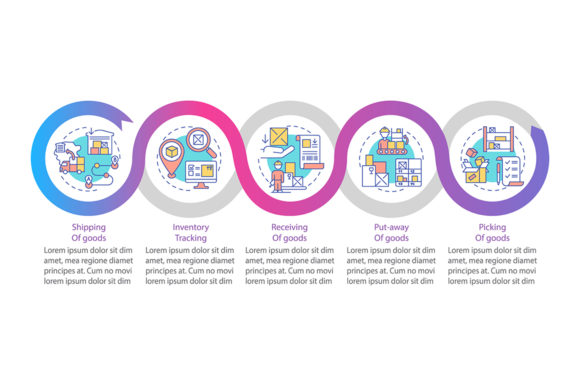
The Shipping of Goods Vector Infographic immediately struck me as a versatile graphic design asset. It has a modern, clean aesthetic with a professional feel, making it ideal for small business branding or handmade businesses looking to add a touch of visual storytelling to their product lines. The use of linear icons and a 5-step process timeline gives it a structured yet approachable vibe.
This infographic isn’t overly playful or decorative, which makes it suitable for niche audiences like logistics professionals, warehouse managers, or anyone involved in stock management. Its mood is more about clarity than whimsy, which could attract buyers who need clear data visualization for presentations or educational materials.
Real-World Use Cases: Where This Design Can Shine
I tested the Shipping of Goods Vector Infographic in various contexts, from printable wall art to social media graphics. Here’s how it performed:
- SVG Products: The vector format made it easy to scale without losing quality. I used it as a background for a custom t-shirt design, and the workflow layout looked sharp even when printed on fabric.
- PNG Designs: When exported as PNG, the infographic worked well as a standalone clipart piece. I paired it with a serif font for a branded packaging design, and it added a professional edge to the overall look.
- Canva Templates: I imported the design into Canva and used it as a base for an invitation template. The five-step process was perfect for explaining a shipping timeline to customers.
- Cricut Projects: After checking the SVG cut paths, I found that it worked well for sticker designs. The linear icons allowed for clean cuts, though I had to adjust some elements to avoid overlapping lines.
- Social Media Graphics: Used as part of a promotional post, the infographic helped break down complex processes into digestible steps. It increased engagement by providing visual clarity.
Product Presentation: Enhancing Your Listings with Visual Storytelling
One of the biggest advantages of this graphic design asset is its ability to support visual storytelling. I used it as a mockup preview for an Etsy product listing, and it helped communicate the product’s purpose quickly. The data visualization aspect made it especially useful for explaining workflows or timelines in a way that felt intuitive.
When creating a product bundle, I included this infographic alongside other related illustrations. It helped maintain brand consistency and gave the collection a cohesive feel. For digital downloads, it worked great as a thumbnail image—its bold layout stood out against other listings.
Where This Works Best: Themed Bundles and Decorative Layouts
The Shipping of Goods Vector Infographic shines in themed bundles, especially those focused on logistics, operations, or business planning. I grouped it with other presentation design elements to create a “Business Process” pack, which sold well to entrepreneurs and small business owners.
It also works beautifully in decorative layouts, such as planner stickers or greeting cards. The minimalist style allows it to blend seamlessly with other design elements without overwhelming the viewer. As a digital paper pack or background illustration, it adds subtle visual interest without competing with text.
Use with Caution: Avoiding Common Pitfalls
While the Shipping of Goods Vector Infographic is highly versatile, there are a few areas where I’d recommend using it carefully:
- Tiny Sticker Details: The icons are detailed enough that they may not scale well for very small stickers. I found that reducing the size too much caused the lines to become faint.
- Low-Resolution Print Products: Always check the file resolution before printing. While the vector format ensures scalability, I still recommend verifying the DPI for any print-on-demand products.
- Crowded Thumbnails: On marketplace thumbnails, I noticed that the infographic didn’t stand out when surrounded by too many other elements. Keeping it simple and centered improved visibility.
- Dark Backgrounds: The design has light colors, so using it on dark backgrounds required adjusting the contrast to maintain readability.
Practical Seller Notes: Testing Before You Sell
If you're considering using this infographic template in your online shop, here are a few practical steps I recommend:
- Test on Real Mockups: Preview the design on actual product samples, like mugs or tote bags, to see how it looks in context.
- Check Thumbnail Appeal: Use it as a marketplace thumbnail and see if it grabs attention compared to other listings.
- Verify File Resolution: Ensure that all files (PNG, SVG) meet the necessary quality standards for your intended use.
- Confirm Commercial License: Make sure the asset comes with a commercial license before selling finished products.
- Pair with Fonts: Experiment with different fonts—serif, sans-serif, script—to find what complements the infographic best.
- Organize Files Clearly: Present the files in an organized ZIP folder with clear labels for customer ease.
The Shipping of Goods Vector Infographic is a solid addition to any creative marketplace listing. Whether you're selling digital downloads, printable designs, or sublimation-ready graphics, this asset provides a professional foundation that can be adapted to fit a wide range of needs. Just be sure to test it thoroughly before publishing to ensure it aligns with your brand identity and product goals.