Media Literacy Features Infographic for Web and Editorial Use
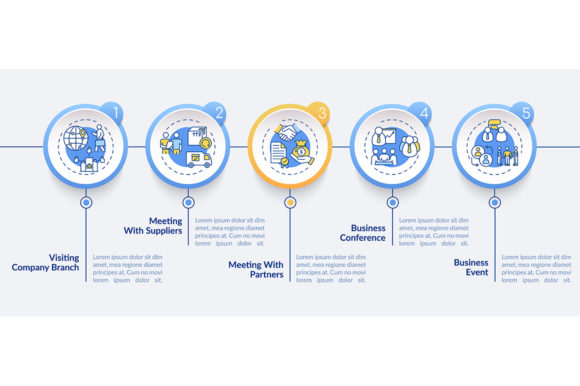
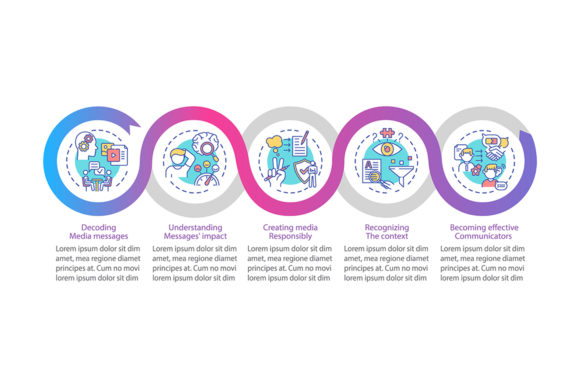
As a seasoned blog designer and digital publisher, I recently came across the Media Literacy Features Infographic, a vector graphic that promises to bring clarity and visual appeal to content publishing workflows. This design asset is built around data visualization with 5 steps, a process timeline chart, and a workflow layout featuring linear icons. It’s a modern graphic that feels clean, educational, and well-suited for editorial environments.
An Educational Mood with a Modern Edge
The first impression of this infographic is one of structured learning. The Media Literacy Features Infographic exudes an educational tone while maintaining a sleek, professional look. Its use of a step-by-step process timeline makes it feel logical and approachable, which is perfect for content niches like online education, digital marketing guides, or media analysis tutorials. It doesn’t lean into being overly playful or decorative; instead, it focuses on clarity and readability.
This design naturally supports content that aims to inform, teach, or guide users through a process. It feels more lifestyle-focused than purely corporate, making it ideal for blogs, newsletters, or affiliate content that needs to appear both trustworthy and engaging.
Real Publishing Applications: From Blog Headers to Pinterest Pins
The Media Literacy Features Infographic can be used in multiple real-world publishing scenarios. As a blog featured image, it adds a strong visual hierarchy and immediately communicates the value of the article. On Pinterest, it can act as a compelling pin that draws clicks and shares. For website banners, it offers a consistent brand identity that reinforces the theme of education and understanding.
It also works well as part of editorial layouts, such as newsletter headers, downloadable resources, or digital guides. When paired with text-heavy content, it breaks up the page and improves reader engagement. In affiliate marketing campaigns, it can serve as a lead magnet or a visual element within a digital product, enhancing the perceived value of the content.
Where This Design Works Best
- Hero images for articles about media literacy, content strategy, or digital communication.
- Article thumbnails that need to stand out on feeds without overwhelming the eye.
- Pinterest pins designed to attract clicks and drive traffic back to your blog or landing pages.
- Blog graphics that support educational content or step-by-step guides.
- Editorial accents in digital magazines, e-books, or content upgrades.
- Downloadable resources like worksheets, media kits, or printable guides.
- Social media previews that enhance the visual identity of your brand across platforms.
Use with Caution in These Situations
While the Media Literacy Features Infographic is versatile, it may not suit every context. Avoid using it in small mobile thumbnails where detail could be lost. It might not perform well on text-heavy blog images, where it could compete for attention. Also, consider carefully if it fits with low-contrast backgrounds or busy layouts, as its clean style may get overshadowed.
Websites with very minimal visual systems or those focused on serious professional niches may find this infographic too stylized. Corporate content or content that requires a strict, no-frills aesthetic might benefit from a simpler, more neutral design.
Practical Publisher Notes for Optimal Use
Before integrating the Media Literacy Features Infographic into your content publishing workflow, test it across different screen sizes. Check how it looks as a thumbnail and preview it inside a real blog layout. Test it with headline text to ensure there’s enough contrast and readability.
Try it in black and white to see if the visual hierarchy still holds. Place it beside various font styles—serif, sans serif, script, handwritten, and display—to determine compatibility. Review the file size for web performance and compress images properly to maintain fast loading speeds.
Lastly, confirm the commercial licensing before using it on monetized websites, affiliate pages, or paid content products. A proper commercial license ensures you can use this graphic design asset without legal issues.
Boosting Content Performance with Visual Clarity
The Media Literacy Features Infographic contributes significantly to stronger first impressions. Its clear visual hierarchy helps readers understand the content quickly, improving click-through potential and reader trust. It enhances category recognition and strengthens the overall visual identity of your website or digital product.
By incorporating this infographic into your content strategy, you can create more professional-looking content pages that resonate with your audience. Whether you're a blogger, digital marketer, or creative entrepreneur, this design asset can elevate your editorial quality and improve your content marketing efforts.
In conclusion, the Media Literacy Features Infographic is a valuable graphic design asset for any content creator looking to enhance their blog visuals, website branding, or social media presentation. It’s a great addition to your collection of design assets, especially if you’re working on educational content, digital guides, or affiliate marketing materials.