Four Step Funnel Infographic for Brand Graphics
As a designer who regularly works with branding, marketing visuals, and packaging, I’ve reviewed countless design assets over the years. The Four Step Funnel Infographic caught my attention immediately—not just for its visual appeal but for how well it fits into a variety of client projects. It’s a graphic design asset that feels both modern and practical, especially when working with small businesses or handmade brands looking to simplify complex processes into digestible visuals.
A First Glance at Visual Mood and Style
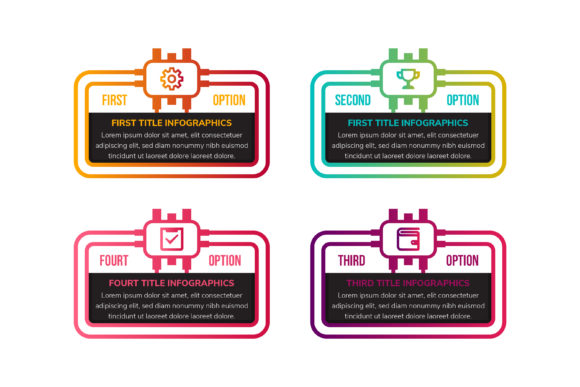
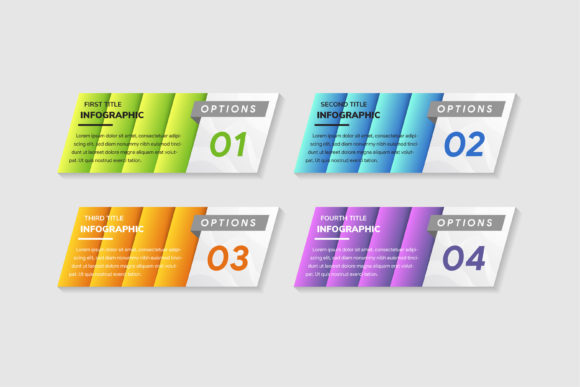
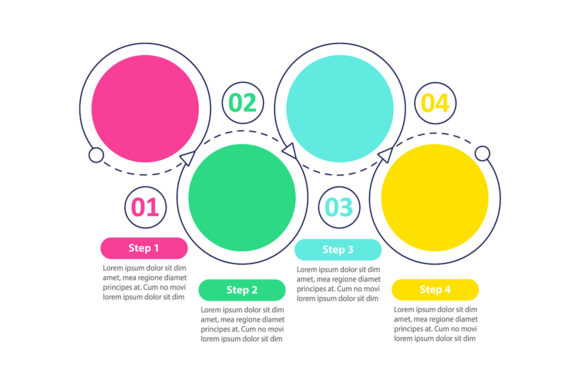
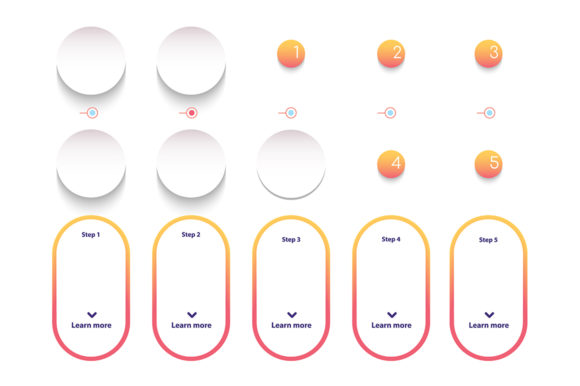
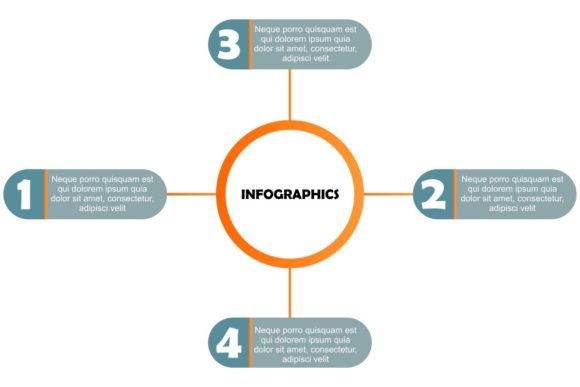
The first impression of this infographic is one of clarity and purpose. Its structured layout and step-by-step approach create a strong visual hierarchy that guides the viewer naturally through each stage of the funnel. This makes it an excellent choice for brand identity work, especially for companies that want to communicate a clear customer journey in a visually engaging way.
The style is clean and minimal, yet versatile enough to be adapted to various color schemes. The possible and easy change color feature means it can be tailored to match brand palettes without losing its structural integrity. Whether you're designing for a boutique product line or an Etsy shop, this infographic can serve as a foundational element in your creative design toolkit.
Real-World Application in Design Projects
In real client scenarios, the Four Step Funnel Infographic shines in large layout areas such as posters, flyers, and website banners. It also performs well as a hero graphic on landing pages or within product mockups. For example, if a client is launching a new online course, this infographic could be used to outline the steps from registration to completion, reinforcing the value proposition visually.
It's equally effective in social media graphics—particularly Instagram posts or Pinterest pins—where visual storytelling is key. When paired with a strong call-to-action, it can significantly boost audience engagement and help convey information quickly.
Where This Asset Works Best
- Large layout areas: Ideal for hero sections, banners, and full-page designs where visual impact matters.
- Product mockups: Can be integrated into t-shirt designs, mug illustrations, or tote bag prints as part of a themed collection.
- Decorative accents: Works well as a background element or overlay in editorial design or blog visuals.
- Campaign visuals: Perfect for seasonal campaigns or promotional materials that require a step-by-step guide.
- Social media posts: Adds structure and professionalism to content that needs to communicate a process efficiently.
Where to Use with Caution
- Small sizes: May lose detail when scaled down too much, so test it in different resolutions before finalizing.
- Crowded layouts: Avoid using it in overly busy designs where it might get lost among other elements.
- Complex backgrounds: Works best on neutral or solid-colored backgrounds to maintain readability.
- Minimalist branding: While it’s adaptable, it may not fit projects that prioritize extreme simplicity.
Design Considerations and Practical Notes
Before incorporating the Four Step Funnel Infographic into a client project, there are several factors to consider. As a professional designer, I always start by testing the asset in black and white to assess its form and contrast. This helps determine whether the design will remain legible across different color schemes and lighting conditions.
Next, I check how it looks on both light and dark backgrounds. The transparent high resolution PNG format allows for flexibility in placement, making it suitable for use in print-on-demand products like stickers, t-shirts, or sublimation designs. However, it’s important to review the file formats carefully—especially if you need to edit vector layers or ensure commercial licensing is covered for client use.
Testing the infographic at small and large sizes is crucial, particularly if it will be used in multiple formats. For example, a version intended for a Cricut project should be evaluated alongside one meant for a billboard. Also, placing it on real mockups helps visualize how it interacts with other design elements in a physical context.
Typography and Brand Consistency
While the infographic itself doesn’t include typography, it pairs well with a range of font styles—from sans serif for modern web design to script fonts for more artisanal Etsy products. Ensuring that the text surrounding the infographic aligns with the brand’s visual identity is essential for maintaining consistency and visual trust.
Final Thoughts on Four Step Funnel Infographic
Overall, the Four Step Funnel Infographic is a valuable addition to any designer’s arsenal. It offers a balance of functionality and aesthetic appeal, making it suitable for both digital and printable design projects. Whether you're working on a small business branding package, a packaging design for a handmade product, or a set of social media graphics for a marketing campaign, this infographic can enhance the visual narrative and improve the overall polish of your work.
If you're looking for a reliable, easy-to-edit graphic design asset that supports a wide range of creative uses, this infographic is worth considering. Just remember to review its compatibility with your project’s specific needs and ensure all licensing requirements are met before moving forward with a client project.