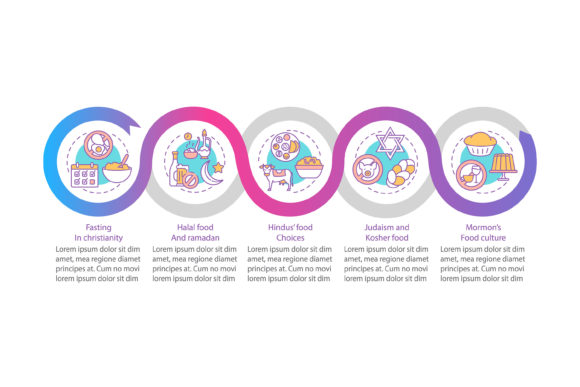
Food Culture in Religions Graphics Review
As a brand designer and content marketer, I recently came across the Food Culture in Religions vector infographic template. This graphic design asset immediately caught my attention for its clean layout, cultural depth, and visual storytelling. It's a versatile tool that can enhance marketing materials with meaningful data visualization and fasting presentation elements.
First Impressions and Emotional Tone
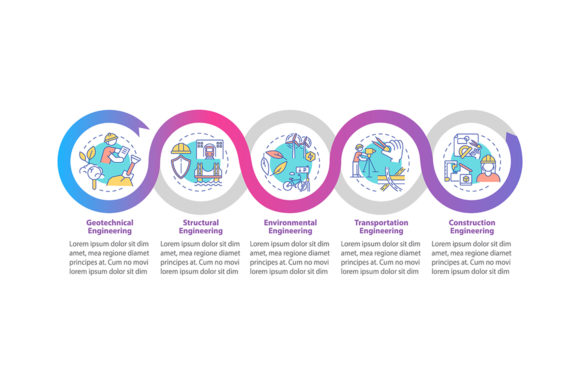
The Food Culture in Religions infographic brings a sense of reverence and tradition to any branding project. The use of linear icons and a process timeline chart creates a calm, informative mood. This makes it ideal for lifestyle content, editorial design, or even packaging accents where the audience needs to absorb information without feeling overwhelmed.
This design feels well-suited for premium visuals and handmade product branding. It subtly communicates respect for cultural practices while maintaining a modern design aesthetic. Its emotional tone is educational yet approachable, making it perfect for content creators aiming to build trust through thoughtful visuals.
Real Marketing Use Cases
Imagine launching a new line of organic food products with a focus on mindful eating. The Food Culture in Religions infographic could be used as part of a branded template for social media posts, Pinterest pins, or even email banners. It helps present complex ideas like fasting rituals or religious dietary laws in a clear, digestible format.
This graphic design asset supports brand identity by reinforcing themes of health, mindfulness, and cultural awareness. It works especially well when paired with serif or script fonts to add a touch of elegance to your content marketing efforts.
Supporting Marketing Goals
The Food Culture in Religions infographic enhances visual hierarchy and ensures consistent branding across multiple platforms. Whether you're creating a Canva template for Instagram Stories or designing a lead magnet for your blog, this design helps establish a professional appearance and improves audience engagement.
It also contributes to stronger first impressions and better recognition. By using this infographic in campaign headers or promotional banners, you create a memorable visual experience that aligns with your brand's values and mission.
Where This Design Works Best
This infographic shines in hero graphics, product launch visuals, and editorial layouts. It's a great fit for content bundles, digital ads, and branded templates that require both creativity and clarity. As a printable design or SVG design, it adds value to merchandise, stickers, and event flyers focused on wellness and cultural awareness.
For small business branding, it can be used in packaging accents or website headers to communicate a unique story. Its workflow layout with linear icons also makes it an excellent choice for digital product visuals that need to guide users through a process or timeline.
Where to Use with Caution
While this infographic is powerful, it may not be ideal for formal corporate branding or dense information layouts. It should be used carefully in small mobile graphics where details might get lost, or on low-contrast backgrounds that make the text hard to read.
It's also important to avoid using it in designs where it competes with the main message. For example, in text-heavy ads or overly minimal brands, the infographic could overshadow the core content instead of supporting it.
Brand Designer Notes and Practical Tips
Before incorporating Food Culture in Religions into your campaign, test it with your brand color palette to ensure visual harmony. Check how it looks in black and white to maintain legibility across different print and digital formats. Preview it on mobile screens and test readability in small sizes to confirm it remains effective across all platforms.
Compare it against competitor visuals to ensure it stands out while still aligning with industry standards. Also, review how it pairs with various font styles—serif, sans serif, script, or display fonts—to find the best balance between aesthetics and readability.
Finally, always confirm commercial licensing before using this design asset in paid campaigns, client work, or business branding. Ensuring proper rights will protect your brand and help maintain professional branding standards.
Conclusion
The Food Culture in Religions infographic is a valuable addition to any content creator's toolkit. Whether you're working on a digital product, editorial design, or small business branding, this graphic design asset offers a unique way to communicate complex ideas with clarity and style.
With its strong visual hierarchy and cultural relevance, it supports marketing goals by building audience trust, improving engagement, and creating more memorable campaign visuals. When used thoughtfully, it can elevate your brand's presence and help connect with your target audience in a meaningful way.