Arm Prostheses Tasks Vector Infographic for Creative Projects
As a designer with years of experience in branding, marketing visuals, and digital assets, I recently came across the Arm Prostheses Tasks Vector Infographic. This design asset immediately caught my attention with its clean layout and visual storytelling. It's not just another infographic; it’s a well-structured graphic that can elevate the clarity of complex processes.
A First Impression: Clean, Clear, and Purposeful
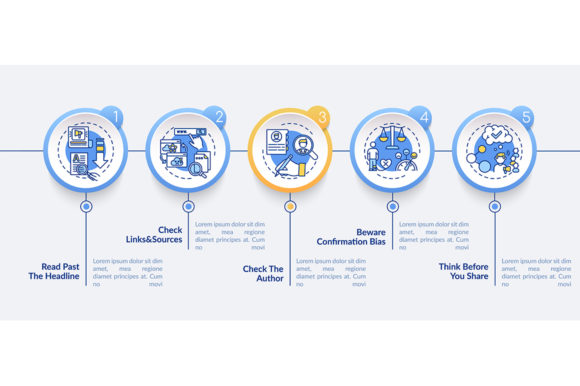
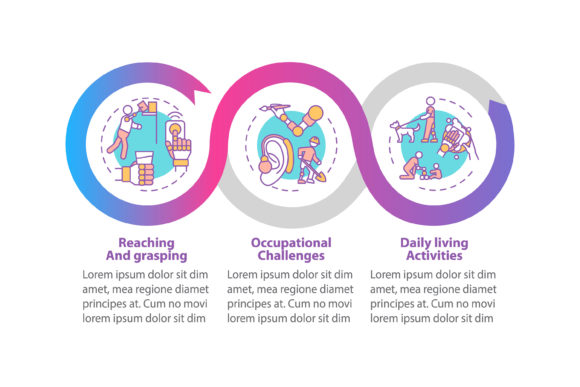
The first thing I noticed about this infographic is how it balances simplicity with informative content. The use of linear icons representing reaching and grasping creates a strong visual metaphor for process flow. The three-step data visualization feels intuitive, making it ideal for explaining workflows or product development stages.
This infographic has a modern design aesthetic that fits well within creative projects such as brand identity work, editorial design, or educational materials. Its style leans toward minimalism without sacrificing detail, which makes it adaptable to various branding tones—from handmade businesses to professional corporate environments.
Where This Design Asset Shines in Real Projects
When working on a small business project, like an Etsy shop or a print-on-demand line, this infographic could serve as a hero graphic in packaging design, product mockups, or social media posts. Its clear structure supports visual storytelling, which is especially useful when presenting steps in a product creation process or customer journey.
In logo design or brand identity work, this infographic can be used as part of a larger visual system—perhaps as a decorative accent in a brochure or as a background element in a website banner. For digital ads, Pinterest pins, or Instagram posts, it adds a layer of professionalism and visual trust that helps engage the audience.
I also see this asset fitting well into Canva templates or Cricut projects where printable designs are needed. Its workflow layout could easily be adapted into stickers, t-shirt designs, or wall art that communicates a message effectively.
Best Use Cases for Arm Prostheses Tasks Vector Infographic
This infographic performs best in large layout areas, such as hero sections of websites, product packaging, or posters. It works particularly well in campaign visuals, where a clear timeline or step-by-step guide needs to be communicated quickly and effectively.
For themed collections or seasonal campaigns, this design can add a subtle yet meaningful touch to merchandise, tote bags, mugs, or other branded items. When used as part of a brand identity, it helps maintain consistency across different platforms, from web design to editorial layouts.
Designers Should Consider These Practical Notes
Before using this infographic in a client project, I recommend testing it in black and white to ensure the visual hierarchy holds up without color. Checking contrast on both light and dark backgrounds is crucial, especially if the design will be used in print or digital formats with varying color schemes.
Previewing the asset at small and large sizes is also important. While it looks great in large format, it may need adjustments if used in smaller spaces like social media graphics or stickers. Testing it on real mockups and reviewing print quality ensures that the final output meets commercial standards.
Inspecting file formats—especially SVG or PNG transparency—is essential for ensuring editability and scalability. Comparing it with different font styles (serif, sans serif, script, etc.) will help determine how it integrates with text-based elements in your design.
Finally, always confirm that the asset comes with a commercial license before using it for a client or business project. This avoids any legal issues and ensures you're using the right tools for your creative marketplace needs.
Considerations for Careful Use
While this infographic is versatile, it may not be the best fit for minimalist branding or projects that require very clean visual hierarchy. In such cases, the icon-based layout might feel cluttered or overpowering.
It should also be used carefully in small sizes or crowded layouts where the details might get lost. Complex backgrounds or low-contrast designs can reduce readability, so it's important to pair this infographic with complementary elements that enhance—not compete with—the message.
Final Thoughts: A Useful Tool for Professional Design Work
Overall, the Arm Prostheses Tasks Vector Infographic is a valuable addition to any designer’s toolkit. Whether you're working on a handmade business, a small brand, or a professional marketing campaign, this asset offers a clear, engaging way to communicate complex ideas visually.
Its versatility, clean design, and adaptability make it suitable for a wide range of projects—from social media graphics to product mockups. As long as designers take the time to test it thoroughly and consider its context, this infographic can help create more polished, professional, and emotionally appealing design outcomes.